
Ghana Cotton and Pextiles Projects
Estimated cost
$1 billion to be deployed in phases
Project objectives
- Create 30,000 jobs. In cutting production and processing by 2019.
- To develop the quoting value change in the Northern Savannah Ecological Zone with the setting up of a Cutting and Textile Training Institute.
- Increase Guyana’s export value of cutting products to over $150 million per year from 2019.
Executive Summary
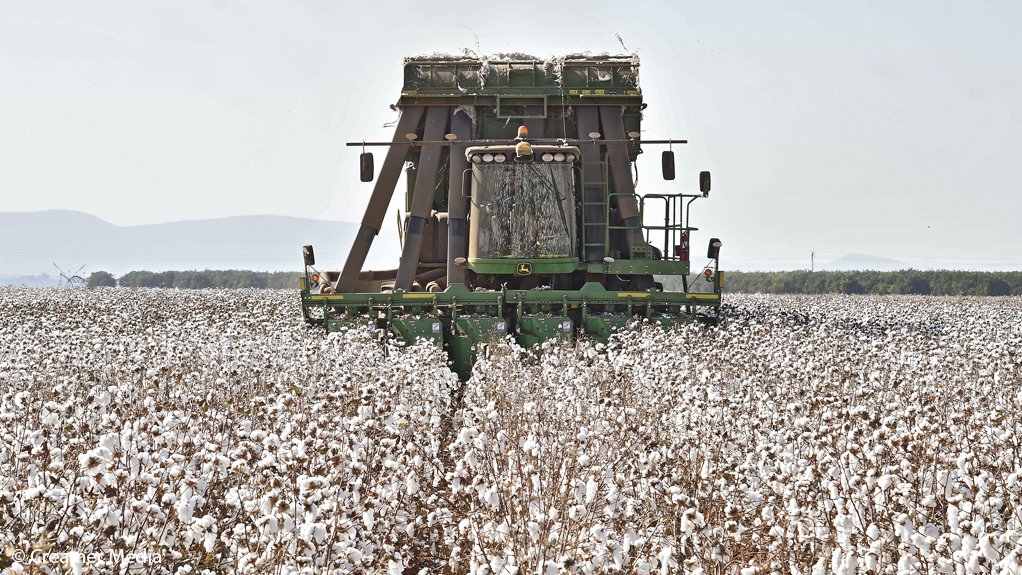
The Government of Ghana is focusing on cotton production as priority investment for the country. The purpose of this project is to produce cotton in commercial quantities. The project is envisaged to spam the entire cotton value chain from cultivation through processing and finally to the production of apparel. A plantation is envisaged to be situated over a 50,000 hectares of land developed in phases and at different locations within the Northern Savannah Ecological Zone of Ghana. A project will encompass a mixed-use light industrial and an integrated facility. The project includes roads, Power plants, worker housing. Cotton ginnery, a garment production facility and a textile training institute. This will all form part of a cotton village as envisaged in the project plan. The project will revitalize the cotton industry in Ghana. Put the idle cotton ginnery to work and inject a cash crop into northern Ghana which desperately needs sustained source of income.
The proposed Ghana cotton and textile project will bring high tech equipment. High manufacturing standard. Expertise and training required for local workforce in order to transform Ghana into global textile hub in the sub region. A project proposed an initial fund of $1 billion to be deployed in phases.
The benefit of this projects are immersed. The benefits of this projects are immense. Export revenue from cutting value chain could exceed $600m in four years. 10,000 acres of cotton under cultivation, rising to 500,000 in 8-10 years. A training institute to develop a skilled. Across the value chain. Income for thousands of small farmers and their families. Over 30,000 jobs for young people into,( both manual and professional ) within five years. Reduction of distress, migration of Labor to the South in search for work, among others.
Project background
The Northern Savannah Ecological Zone is the most suitable location for cutting cultivation. Land suitability studies conducted by SADA suggested that over 4 million hectares are suitable for cutting cultivation in the area. Most of it unutilize. There is a history of significant cotton production in Northern Savannah Ecology Zone of Ghana.
In the not too distant past. The cultivation of cotton was a major source of livelihood for thousands of small farmers across northern Ghana. The relative success led to significant public investment in the construction of genres. Unfortunately, the cotton sector collapsed in the 80s and. Efforts to revise to revive it has soon far been unsuccessful. Although the dinneries have been privatized, they are mostly idle. The collapse of the cotton sector may also have affected raw materials applied to the textile sector in the South. To revive this sector. A cutting development authority has been established but is poorly resourced and with limited power. Support for the cutting research sector is also poor. The Cutting Development Authority is currently dependent on cider support for each operation.
The proposed coating and textile projects. Will provide a major injection for the revival of the cotton and the taxal sector in Ghana. The proposition is different from past past effort. In that it involved the entire value chain, an anchor farmer investing directly to produce a certain minimum quantity to feed generous and factories while supporting small farmers to grow cotton. By not depending on the efforts of the roll cutting. Rises to farmers and deemed. And demand for crops. Would be more stable. The focus on entire value chain also enhances opportunities for backwards and forward linkage in the economy. Therefore, potential to stimulate business more widely.
Project outcomes
To create employment in Ghana and facilitate knowledge and technology transfer to Ghanaians in the textile value chain. Huge investment in the country’s textile and related industry. Creation of value addition. Attraction of FDI. And reduction of dependency on traditional export commodities.
Remarks
SADA (government of Ghana) Obligations. Able to lease. 50,000 hectares of land for the cotton farming and additional land for the sighting of the factories and training institute. Saturday is also proposal to finance and facilitate the feasibility stages and contributes to the establishment of a Ghana Cotton. And total funds jointly with the potential partners to finance their projects.